How Much Does a Paver Patio Cost?

A paver patio costs about 10 to 25 dollars per square foot installed in 2026, so a typical 300 square foot patio runs roughly 3,000 to 7,500 dollars. Budget concrete pavers sit at the low end, while brick and natural stone push higher. Here is the cost of a paver patio broken down by material and size, what really drives the total cost, and how to size your own project.

Key takeaways

  • Installed cost runs about 10 to 25 dollars per square foot in 2026, with most standard concrete jobs near 12 to 18 dollars.
  • Concrete pavers are cheapest at 10 to 20 dollars installed, brick pavers run 15 to 25, and natural stone hits 20 to 30 or more.
  • Labor and base preparation are about 80% of the total cost; the pavers themselves are only around 20%.
  • A 12x12 paver patio costs roughly 1,700 to 4,300 dollars, and a 20x20 runs about 4,000 to 12,000.
  • Plan on 4 to 6 inches of crushed stone base plus a 1 inch sand bed, and a properly built paver patio lasts 25 to 50 years.
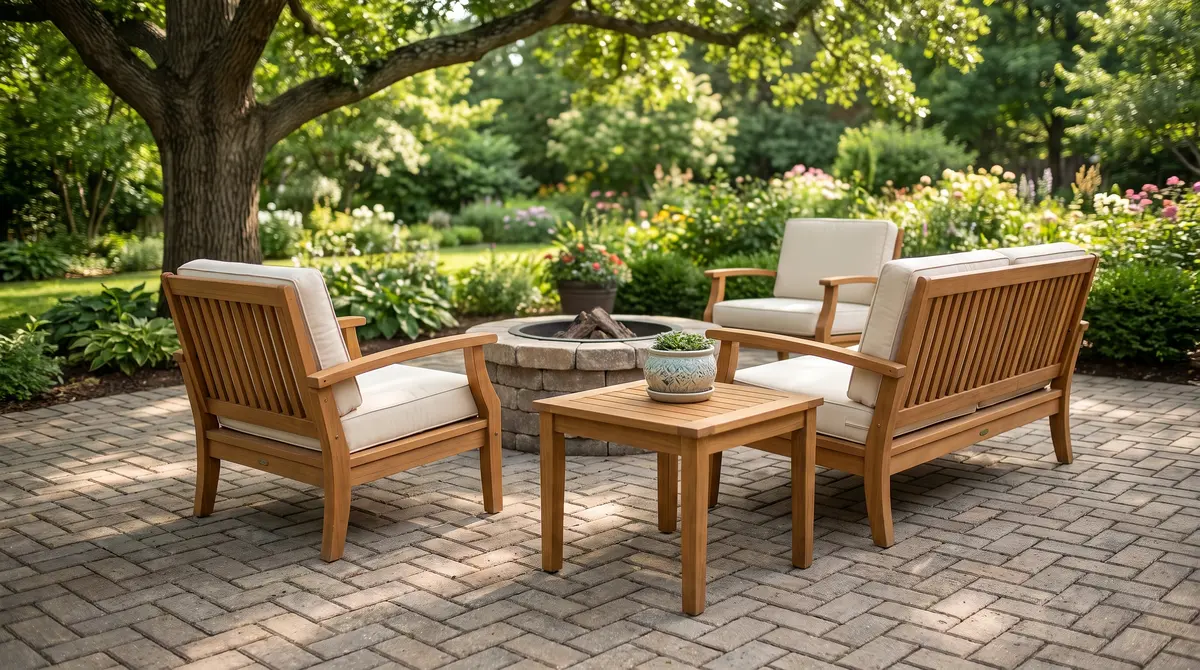
A finished concrete paver patio in a backyard with a herringbone pattern, fire pit and patio furniture
Paver Calculator
Enter your patio size and get pavers, base, sand and cost in seconds.
Open the calculator →

Average paver patio cost per square foot in 2026

For 2026, budget about 10 to 25 dollars per square foot installed for a standard paver patio, materials and labor combined. Simple designs in concrete pavers land at the low end, while complex patterns in brick pavers or natural stone run higher, and some contractors quote a national average near 22 to 28 dollars per square foot installed.

The paver material alone is a small part of that. Pavers cost roughly 2 to 15 dollars per square foot depending on type, but the base, sand, edging and labor costs add the rest. Most installers report the surface pavers are only about 20% of the overall cost, with the other 80% going into excavation, base preparation and labor.

Cost typePer square foot
Pavers (material only)$2 to $15
Base, sand, edging$3 to $8
Labor$6 to $20
Total cost installed$10 to $25

Cost by paver material: concrete vs brick vs stone

The right paver material moves the price more than anything else. Concrete pavers are the cheapest at about 10 to 20 dollars per square foot installed, brick pavers run 15 to 25, and natural stone pavers such as travertine or flagstone cost 20 to 30 or more.

MaterialMaterial onlyInstalled / sq ft
Concrete pavers$2 to $8$10 to $20
Brick (clay) pavers$4 to $15$15 to $25
Natural stone$8 to $30$20 to $30+

Concrete pavers win on upfront price and design flexibility, lasting 25 years or more with a coat of sealant every few years. Natural stone costs far more but a paver patio in stone can last 25 to 50 years, which is why it reads as an investment in your outdoor living space rather than an expense.

Paver patio cost by size

Because fixed costs like setup and equipment spread over more area, larger patios cost less per square foot. A small 100 square foot patio often runs 12 to 20 dollars per square foot installed, while a big 500 square foot job can drop toward 10 to 16.

Patio sizeTypical total
10 x 10 ft (100 sq ft)$1,200 to $4,000
12 x 12 ft (144 sq ft)$1,700 to $4,300
14 x 20 ft (280 sq ft)$3,500 to $7,500
20 x 20 ft (400 sq ft)$4,000 to $12,000

To price your own patio project, enter your length and width in the paver calculator and it returns the number of pavers, base material, sand and an estimated cost for the size you plan.

What you pay for beneath the surface

The base is where most of the money and the durability live. A patio built on a poor base shifts, settles and becomes a trip hazard within a few years, so professionals spend most of their time below the pavers, not on them.

A typical foot traffic patio needs 4 to 6 inches of compacted angular crushed stone, run flat with a plate compactor, then topped with a 1 inch sand bedding layer. The whole bed is graded to slope away from the house for drainage to prevent water pooling, and clay soils or freeze thaw regions call for 8 inches or more of base.

Use angular crushed stone, often sold as 3/4 inch minus or road base, not round pea gravel. Round stone does not lock together and lets pavers sink under load.

Getting the base quantity right is its own job, and the guide on how much paver base you need walks through the depth and volume math.
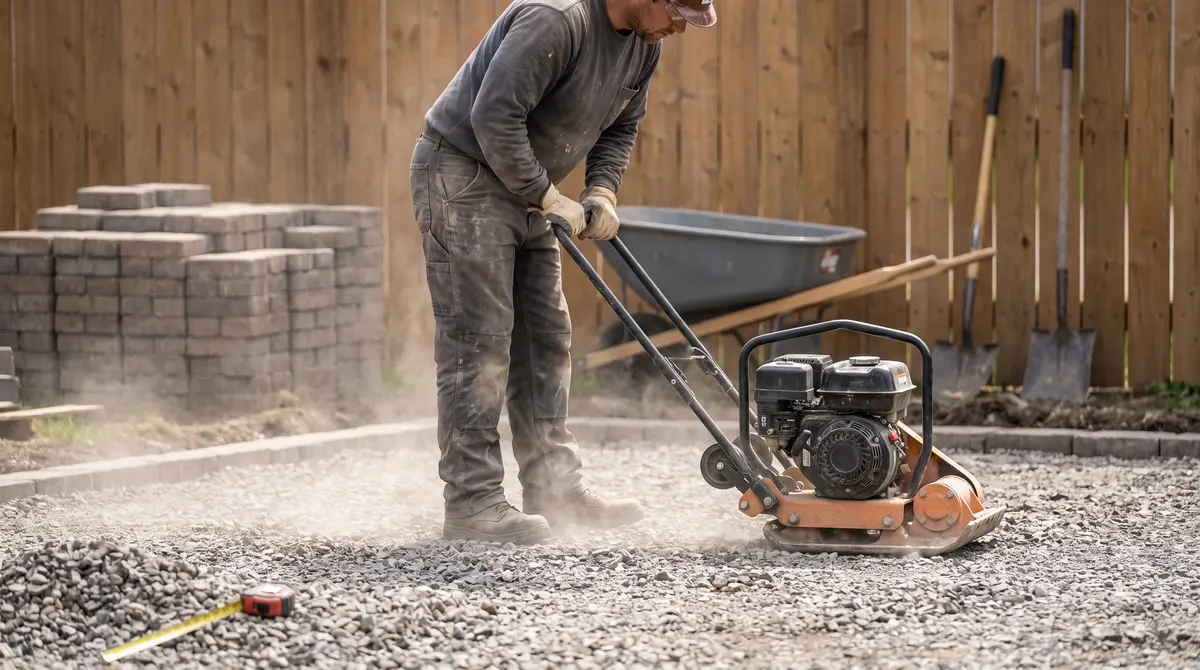
A worker running a plate compactor over a gravel base before laying pavers for a new patio

Labor, design and site factors that change the price

Labor is usually the single largest line item, running 6 to 20 dollars per square foot depending on the job. Several factors push it up.

Intricate patterns like herringbone or basketweave need more cutting and can add 15 to 25% to labor. Built-in features such as a fire pit, a seating wall or an outdoor kitchen add their own material and labor, and poor site access, where pavers must be carried through a gate or down stairs, adds another 10 to 20%.

Excavation itself runs 1 to 5 dollars per square foot, and clay heavy soil needs extra base for drainage. Check local building codes before you start, since some towns require a permit for a patio over a set size, with fees of about 100 to 300 dollars from the local building department.

DIY paver patio vs hiring a professional

A DIY paver patio averages about 12 to 17 dollars per square foot, mostly materials and rentals, while professional installation typically runs 20 to 27 dollars per square foot. The gap is the labor you supply yourself, which is 40 to 60% of the total cost.

The savings are real but base preparation is unforgiving: a soft or poorly compacted base is the most common reason a DIY patio fails, so a plate compactor rental and patience matter more than speed. Budget 40 to 50 hours for an average job and rent the compactor at about 50 to 100 dollars per day.

If you would rather not juggle the volumes by hand, plug your dimensions into the paver calculator to get the paver count, base and sand quantities, and a cost range you can take to contractor quotes.

Estimate your own paver patio cost

Doing the math by hand works for a single rectangle, but it is easy to forget the base, the sand or the cutting waste. For an L shaped or stepped patio, split it into rectangles, run each one, and add the results.

If you are weighing pavers against a poured slab, the wider set of concrete and masonry calculators covers slabs, footings and more, so you can compare both options on the same numbers before committing to your specific project.

Cost estimate, not a quote. The prices here are ballpark figures for planning only. Real costs vary by region, supplier, season, site access and project size. Always get written quotes from local contractors before you set a budget.

Frequently asked questions

How much does a paver patio cost in 2026?
A paver patio costs about 10 to 25 dollars per square foot installed in 2026, with a national average near 22 to 28 dollars for professional work. Standard concrete pavers sit at the low end, while brick and natural stone with complex patterns push toward 30 dollars or more per square foot.
How much should a 20x20 paver patio cost?
A 20 by 20 foot paver patio, 400 square feet, costs about 4,000 to 12,000 dollars installed. Standard concrete pavers land near the low end at 4,000 to 8,000, while premium natural stone, curves or a built-in fire pit reach the high end.
How much should a 12x12 paver patio cost?
A 12 by 12 foot paver patio, 144 square feet, costs roughly 1,700 to 4,300 dollars installed. Basic concrete pavers with a simple layout sit near the low end, while brick or natural stone and decorative patterns raise the total cost.
Is a paver patio cheaper than concrete?
No, a paver patio is usually more expensive than a poured concrete slab upfront, because setting each unit is more labor intensive than pouring concrete. Pavers often cost less over time, since individual units can be lifted and reset and the patio lasts 25 to 50 years.
Why is paver patio labor so expensive?
Labor is expensive because most of the work happens beneath the surface. Excavation, grading, drainage, and 4 to 6 inches of compacted base preparation account for around 80% of the project, while the visible pavers are only about 20% of the overall cost.

References

Related